
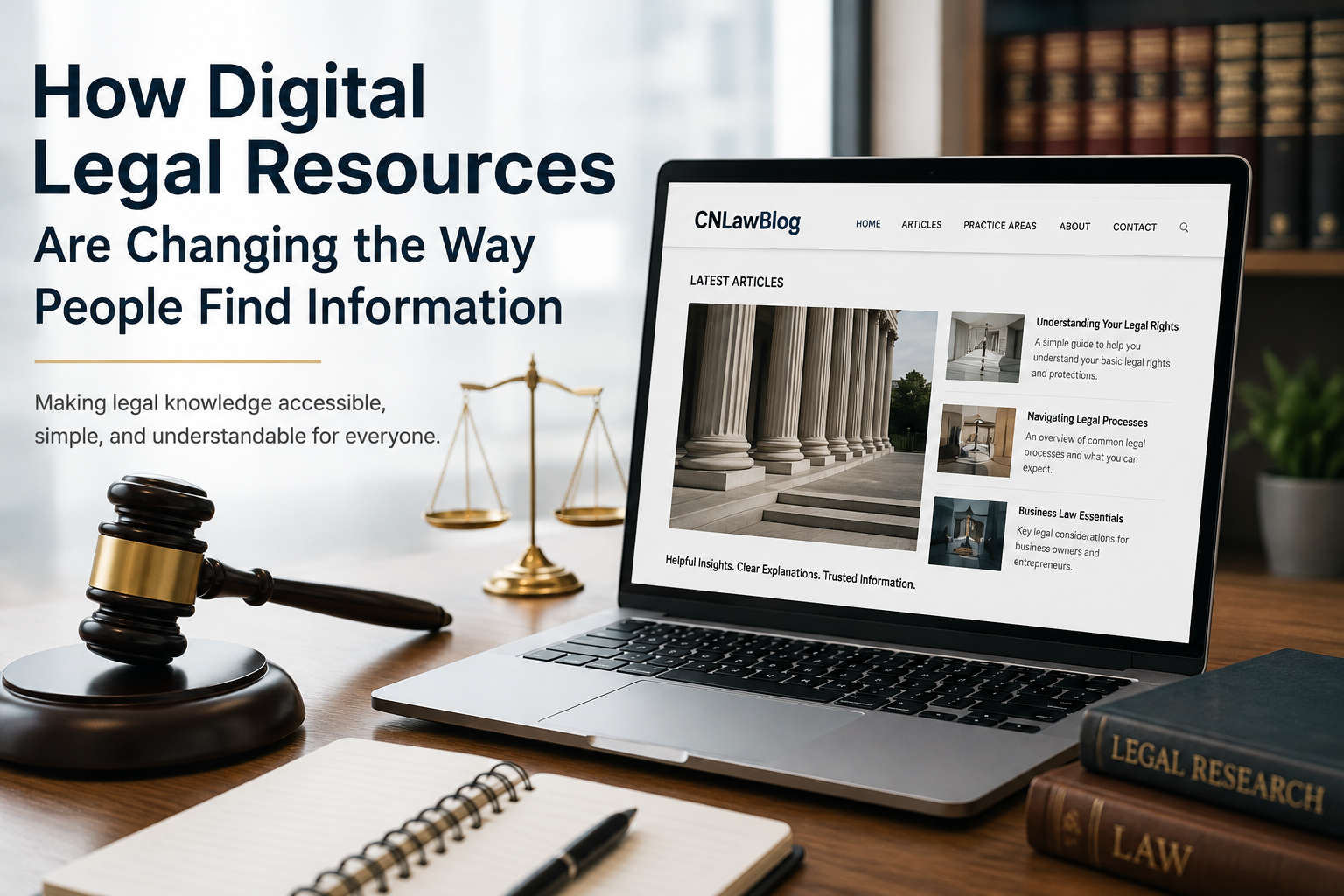
Finding reliable information online has become an important part of everyday life. People search the internet before making decisions about work, business, personal matters, technology, and many other areas. Legal information is no different. Instead of relying only on traditional sources, many readers now use online resources to understand unfamiliar terms, explore general topics, and discover where they can find more detailed information.
Why Online Legal Information Matters
Legal subjects can often appear complicated because they contain terminology and processes that are unfamiliar to ordinary readers. A well-organized online resource can make these subjects easier to understand by presenting information in a simple and accessible format.
This does not mean that online articles should replace professional legal advice. Instead, they can help readers develop a basic understanding of a subject before deciding whether they need assistance from a qualified professional.
For someone encountering a legal topic for the first time, a clear explanation can make the difference between feeling confused and knowing what questions to ask next.
The Value of Clear Explanations
The quality of online information depends heavily on how clearly it is presented. Long explanations filled with technical language may discourage readers, even when the information itself is useful.
Effective digital resources usually focus on straightforward language, logical organization, and useful context. Headings, short paragraphs, examples, and explanations of important terminology can help readers move through complicated subjects without becoming overwhelmed.
This approach is particularly valuable when the topic involves procedures, regulations, documentation, or professional terminology.
Online Research Before Professional Assistance
People often begin their research online before contacting a lawyer or another professional. They may want to understand what a particular term means, what type of issue they are dealing with, or which questions they should ask during a consultation.
Using online information in this way can make professional conversations more productive. Readers who understand the basic background of a subject may be better prepared to describe their situation and identify areas that require expert attention.
A useful digital legal resource therefore serves as an educational starting point rather than a substitute for professional guidance.
Choosing Better Online Sources
Not every website provides information with the same level of quality. Readers should consider the purpose of a website, the clarity of its content, the reliability of its references, and whether the information appears current.
It is also important to compare information from multiple reputable sources when researching an important subject.
A good starting point is an online legal information resource that explains topics in an organized and reader-friendly way.
Why Organization Improves User Experience
Website structure has a major effect on how people consume information. A page with clear headings and logical sections allows visitors to quickly locate the information they need.
This is especially useful for readers using mobile devices or searching for a specific answer. They may not have time to read an entire article from beginning to end.
Well-structured content therefore benefits both readers and websites. It improves navigation while making useful information easier to discover.
The Role of Digital Publishing
Digital publishing has made specialist information available to a much larger audience. A subject that once required access to printed books, professional publications, or physical libraries can now be explored from almost anywhere.
This accessibility is one of the biggest advantages of online resources. Readers can begin researching a topic whenever they need information rather than waiting for access to traditional materials.
Responsible Use of Online Information
Although online research is useful, readers should always consider the context of the information they find. Laws and regulations can vary by location and may change over time.
General articles can provide background knowledge, but individual situations may require advice from a qualified professional who understands the relevant jurisdiction and circumstances.
Using online resources responsibly means treating them as educational tools and verifying important information before making significant decisions.
Looking Ahead
The demand for accessible specialist information is likely to continue growing as more people use the internet as their first source of research.
Websites that combine clear writing, useful organization, and responsible information can help readers navigate complicated subjects more confidently.
For more useful information across different everyday topics, visit PureHealthNest.
For anyone beginning research into an unfamiliar legal topic, a well-written digital resource can provide a useful first step toward understanding the subject and identifying what information may be needed next.