
Introduction: A question that starts the practical debate
Have you ever wondered why some sessions leave you glowing and others feel like a waste of time? I ask that because small changes can make big differences. As a red light therapy company, I’ve watched clinics tweak LED arrays and watch outcomes move — sometimes dramatically. Recent studies show modest boosts in tissue repair and mood markers when irradiance and wavelength are tuned correctly (numbers vary by device and protocol). So what exactly makes one system work better than another?

Here’s the set-up: a clinic tests two beds. One uses broad-spectrum LED panels. The other uses targeted wavelengths with controlled fluence. Patients report different results. That gap raised a clear question for me — are we chasing flashy claims or real, measurable gains? I’ll walk through what I’ve learned. Let’s move from observation to the tech and pain points that really matter.
Part 2 — Digging Deeper: Why many “best red light therapy beds” still miss the mark
First, let me link to what most people search for: best red light therapy beds. Now, define a core issue. Dosimetry — the dose delivered to tissue — is often treated like an afterthought. I mean, people talk about panels and price, but not about fluence and irradiance. In plain terms: if you don’t control the energy per area and the wavelength, you get inconsistent results. Photobiomodulation depends on wavelength, power density, and treatment time. That trio decides whether cells respond or shrug. Look, it’s simpler than you think.
Technically, many beds rely on cheap LED arrays with uneven output. That causes hotspots and cold zones. As a result, therapy protocols become unreliable. I find that frustrating. Clinics tell me they follow a protocol, yet skin or muscle does not respond. Why? Because edge inconsistencies and poor power converters mean the real delivered dose differs from the label. Patients notice. Therapists notice. Outcomes drift.
So what specifically fails?
Quality control gaps. Inadequate measuring (no real irradiance maps). Overgeneralized protocols that ignore wavelength specificity. I’ve seen devices claim “deep tissue” without showing fluence at depth. That’s misleading. For providers and users, the pain is simple: wasted time, money, and hope. We can do better; I’ve seen setups where simple engineering changes fixed the issue and patients improved fast — funny how that works, right?
Part 3 — Forward-looking principles: How smarter design changes outcomes
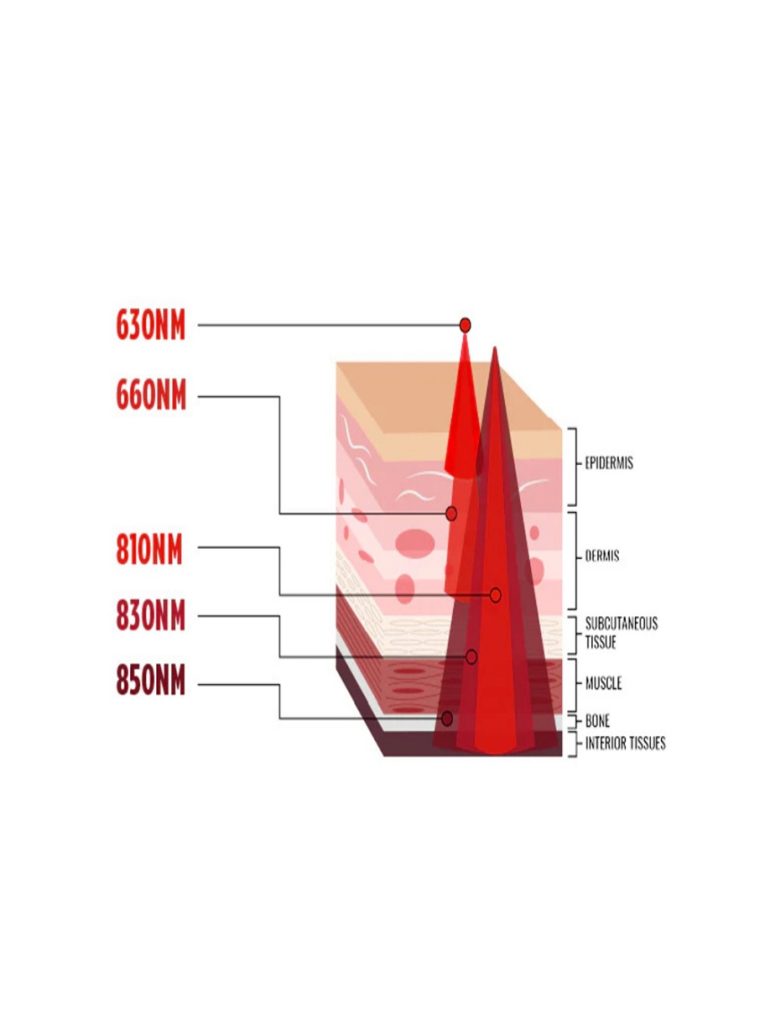
What’s next is about principles, not buzzwords. I prefer to focus on clear variables: select precise wavelengths that match chromophore peaks, ensure consistent irradiance across the treatment surface, and build dosimetry into every protocol. When engineers apply those rules, the product behaves predictably. For example, pairing 660 nm with 850 nm in the right ratio can target both shallow and deeper tissues. Combine that with uniform LED arrays and the right power converters, and you reduce variability.
Newer systems also add real-time feedback. Sensors measure irradiance and adjust output on the fly. That reduces guesswork for clinicians. I’m genuinely excited about those advances. They cut treatment time, improve results, and make research easier to replicate. — I mean, who wouldn’t want a therapy you can trust?
Real-world impact and quick checklist
Here are three practical metrics I use when evaluating a system: 1) Measured irradiance uniformity across the bed surface. 2) Verified wavelength peaks with spectrometer reports. 3) Documented dosimetry for common protocols (energy per cm² and time). If a product passes those checks, it moves from marketing to medicine in my view. If not, caution is wise.
To sum up: focus on physics (wavelength, irradiance, fluence), demand transparency, and prefer devices with built-in measurement. I’ve seen clinics transform patient outcomes by switching to systems that honor these principles. We still need better standardization across the field, but progress is real — and rewarding. For anyone shopping, start with the facts. For a practical reference, see how the best red light therapy beds line presents specs and testing. In closing, I stand by a simple thought: invest in measurement, not claims. If you want reliability, choose systems that prove their numbers. Magique Power