
Introduction
I remember standing at a busy bodyshop bench, the smell of metal and hot flux in the air, and thinking: there has to be a better way. In many shops the problem is not just smoke — it’s that the systems meant to clear it are overlooked, underpowered, or misused; automotive manufacturing welding fume extraction shows up everywhere in those conversations. Recent reports (and yes — my own shop checks) point to welders experiencing fine particle exposure well above recommended values, and that raises clear questions: Are we solving the right problem? Can we protect people without breaking the production flow?
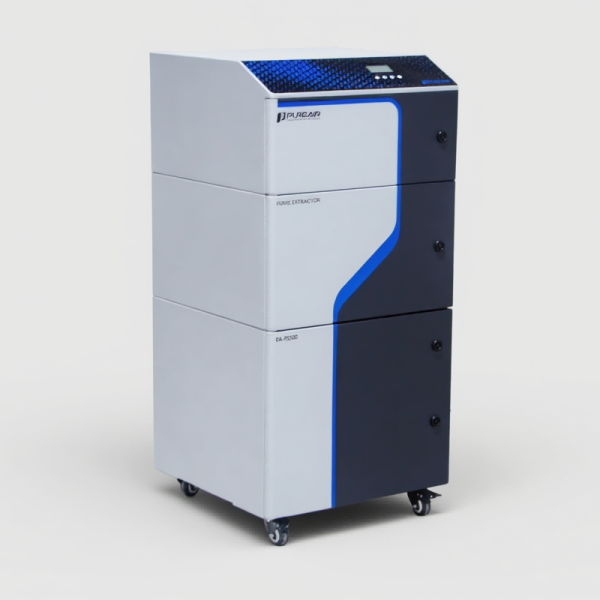
I want to walk you through what I’ve seen—and what data backs up those gut feelings—so we can move from firefighting to practical fixes. Stick with me; the next part drills into why many “solutions” fail on the shop floor.
Why Manual Welding Fume Extraction Still Falls Short
manual welding fume extraction promises targeted capture at the source, and on paper that sounds perfect. But I’ve watched systems that were supposed to save a shop fail because of simple, repeatable problems: poor placement, clogged HEPA filters, and operators who find extraction arms in the way and push them aside. Technically, source capture is gold — local exhaust ventilation (LEV) and particulate filtration are standard practice — yet real-world use often undercuts the theory. Look, it’s simpler than you think: if the arm isn’t where the arc actually is, you’re not capturing much.
Digging deeper, there are two big technical flaws I keep running into. First, suction balance — many systems use a single fan or power converter sized for an ideal setup, not for the messy reality of multiple welders working different stations. Flow drops and capture efficiency collapse. Second, maintenance blind spots — clogged pre-filters and ignored duct leaks reduce performance silently. I’ve had teams ask, “Why are our readings still high?” and we found dirty filters and loose joints. That gap between design and daily use is where the risk grows (and the paperwork never sees it). So, what can we actually change on the ground?
How can we fix the everyday failures?
The fixes are practical: better hose and nozzle ergonomics, routine filter checks, and clear operator training that treats extraction like a tool — not an afterthought. Add simple diagnostics like pressure gauges or inline flow sensors and you get immediate feedback. Two industry terms worth flagging here: LEV and HEPA. They matter, but only if you treat them as living parts of the process, not museum pieces — funny how that works, right?
New Technology Principles and a Roadmap Forward
Here’s where I get a little optimistic. Advances in sensor tech and modular capture are changing the game. Modern designs bring smarter fans, variable-frequency drives, and edge computing nodes that monitor airflow and particulate counts in real time. When I say “smarter,” I mean systems that nudge operators with lights or a simple beep when a hood is out of position — small nudges, big effects. And yes, these systems can work with existing manual welding fume extraction kits, so you don’t need a full shop retrofit overnight.
The core principles I recommend are straightforward: measure where it matters (at the weld), automate simple corrections, and design for human behavior. Combine particulate sensors with occasional manual audits, and you’ll see trends that matter. I’ve run pilot installs where capture efficiency rose 20–40% within weeks because people could finally trust the system’s feedback. Short sentence: results follow when metrics are visible.
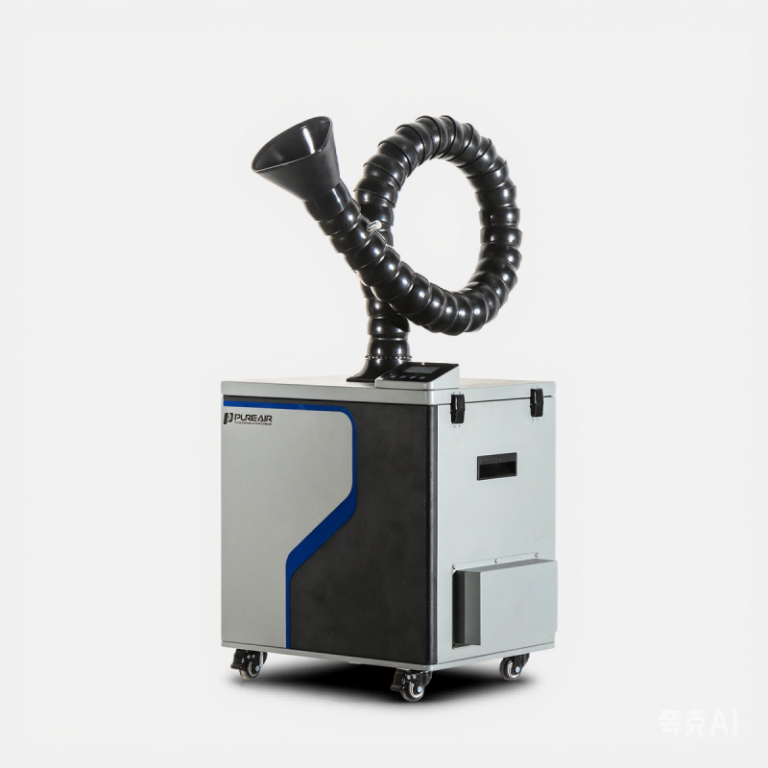
What’s Next — practical steps
Start small. Pilot a sensor-enabled arm at one station. Train the team with hands-on demos, then scale. Expect bumps — equipment lives in unpredictable spaces — but keep metrics in view. When choosing systems, evaluate on three key metrics: capture efficiency at the source, real-world airflow under load, and maintenance accessibility (how easy is filter change?). Those three tell you if a solution stands up to daily life. I’ll say it plainly: a beautiful spec sheet means nothing if operators avoid the tool because it’s awkward.
To wrap up: we need practical, measurable upgrades that respect how welders work. I’ve seen workshops transform with modest investments and smarter feedback loops — not overnight miracles, but steady, visible improvements. If you want a partner that designs with the shop floor in mind, check out PURE-AIR. We’ve been in the trenches; we know what fixes last.